
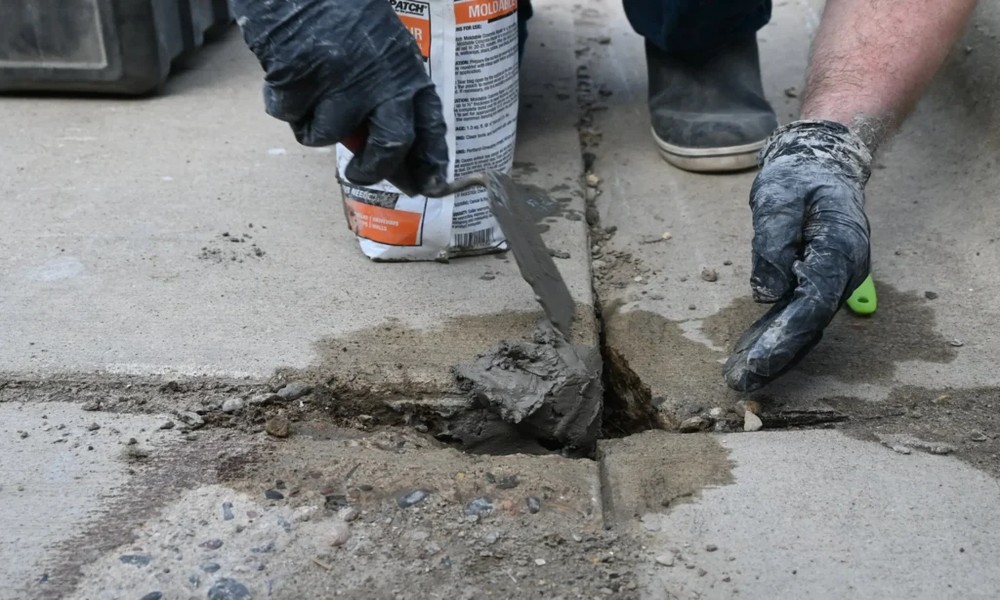

Cracks in concrete bases can appear small, but they often signal deeper structural concerns. Property owners usually search for practical ways to handle damage before it spreads further. Many people look for clear guidance on concrete foundation crack repair NZ because reliable performance depends on proper treatment. Confusion often begins when there is no clear method or sequence. Random fixes may hide issues instead of solving them. Choosing concrete foundation crack repair NZ strategies for reliable structural performance becomes important for long term stability.
Structured planning improves repair decisions.
Clear planning helps avoid trial and error during repair work. It reduces mistakes and improves consistency in results.
· Identify crack size, depth, and direction before selecting a repair solution
· Use suitable materials based on moisture movement and surface condition
· Ensure proper surface cleaning before applying any bonding compound
· Follow the curing time strictly to avoid weak bonding and failure
A structured process always leads to better durability and predictable outcomes.
Surface preparation impacts repair strength
Surface condition plays a major role in how well repairs perform. Cleaning removes dust and weak particles that reduce bonding strength. Proper preparation allows materials to adhere correctly and stay intact under pressure. Ignoring this step often leads to early failure and recurring cracks.
Material selection affects long term durability.
Different materials work better under different conditions. Resin-based fillers are suitable for fine cracks, while cement-based compounds handle wider gaps.
· Resin materials provide flexibility during minor structural movements
· Cement compounds offer strength for larger structural damage
· Moisture-resistant fillers prevent water entry into foundation layers
Choosing the wrong material can reduce effectiveness even if the application is correct.
Inspection steps guide repair direction
Initial inspection helps understand the root cause of cracking. It allows better planning before any repair begins.
· Measure crack width using simple tools for accurate evaluation
· Check the surrounding areas for signs of water damage or movement
· Identify whether cracks are active or stable before treatment
· Observe patterns to understand load distribution and pressure points
· Inspect nearby joints to detect possible structural shifts
· Look for repeated cracking, which indicates deeper underlying issues
· Record findings to track changes over time after repair
· Plan repair timing based on environmental and surface conditions
These steps support informed decisions rather than guesswork.
Resin injection method for fine gaps
Resin injection works by filling narrow openings with liquid compounds. It seals the gap and restores continuity within the structure. This method performs well in controlled environments but may struggle when moisture levels are high during application.
Overlay treatment for widespread cracking
Overlay treatment adds a new layer over damaged surfaces to restore integrity. It is useful when cracks appear across larger areas. While effective visually and structurally, it increases thickness and may require surface levelling adjustments.
Combined repair method for complex damage
Some situations require multiple approaches working together. Combining resin filling and surface sealing can improve results. In cases involving concrete foundation crack repair NZ, this approach handles both surface and internal issues, though it increases time and cost.
Stepwise repair execution process
· Assess damage type and classify crack severity accurately
· Select a repair method based on structural behaviours and conditions
· Prepare the surface thoroughly before applying any repair material
· Apply the chosen method following the recommended guidelines and timing
· Monitor the repair area for changes during the curing period
Common mistakes affecting repair outcomes
Many failures occur due to rushing the process or ignoring root causes. Poor material selection leads to weak bonding and repeated damage. Environmental conditions such as moisture and temperature often get overlooked. Lack of inspection causes incorrect method choice. Changing conditions over time also affect performance if not considered early.
Consistent review improves structural reliability
Long term performance depends on regular checks and disciplined maintenance. Testing repaired areas ensures stability over time. Reviewing previous repairs helps refine future decisions. Consistency in following structured methods builds reliability. Repeatable actions reduce risk and improve confidence in results.
|
Method Type |
Suitable Crack Size |
Strength Level |
Application Difficulty |
Longevity |
|---|---|---|---|---|
|
Resin Injection |
Fine cracks |
Medium |
Moderate |
High |
|
Surface Sealing |
Hairline cracks |
Low |
Easy |
Medium |
|
Stitching Technique |
Structural cracks |
High |
Complex |
High |
|
Overlay Treatment |
Wide areas |
Medium |
Moderate |
Medium |
|
Combined Method |
Mixed damage |
High |
High |
High |
FAQ
· What causes foundation cracks? Movement pressure and moisture changes usually cause cracks.
· Can small cracks be ignored? Small cracks may grow over time and should be checked.
· How long do repairs last? Durability depends on method and correct application.
· Is inspection necessary before repair? Yes, it helps choose the right method.
· Do all cracks need the same solution? No, each crack type requires a different approach.
Reliable outcomes through proper repair choices
Careful evaluation leads to better repair decisions and reduces repeated damage. Structured planning ensures each step supports long term performance. Material choice and method selection must match actual conditions. Regular checks strengthen confidence in structural stability. Practical execution with discipline creates lasting results.